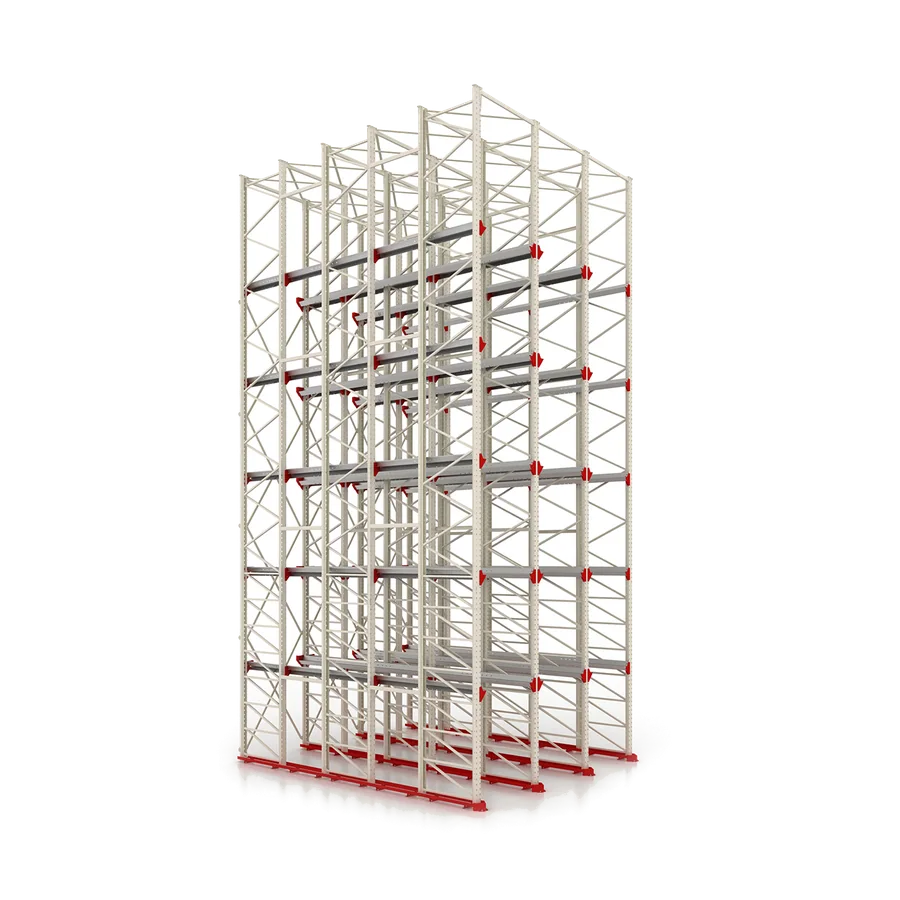
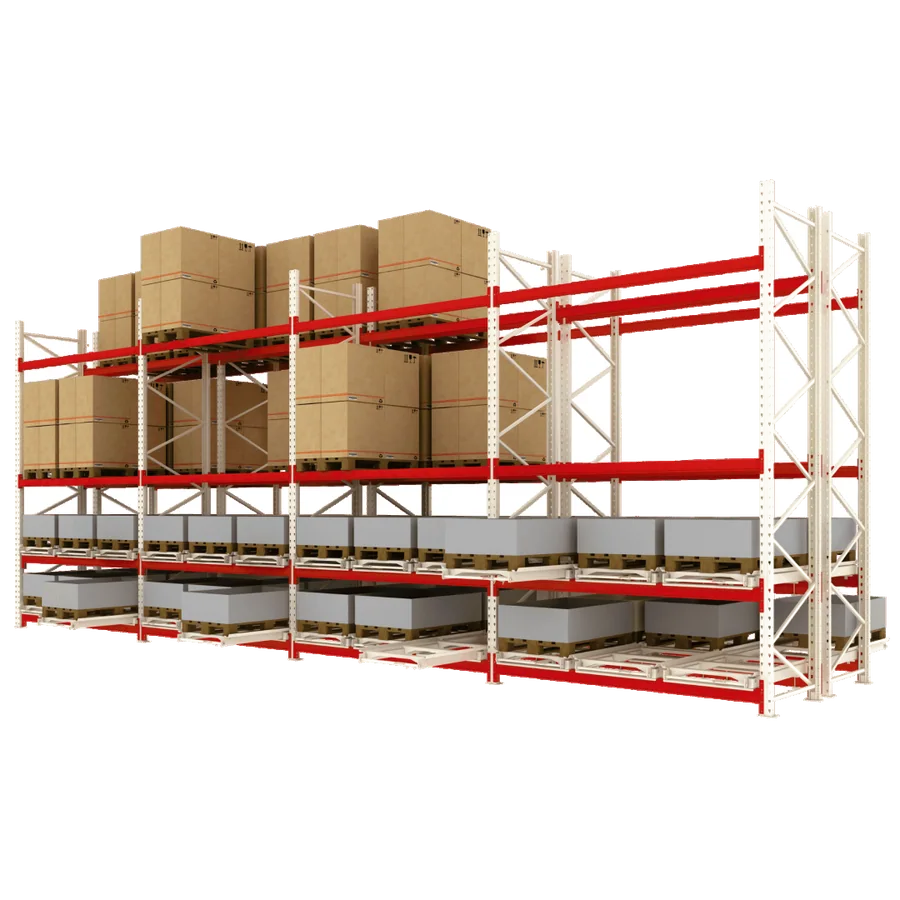
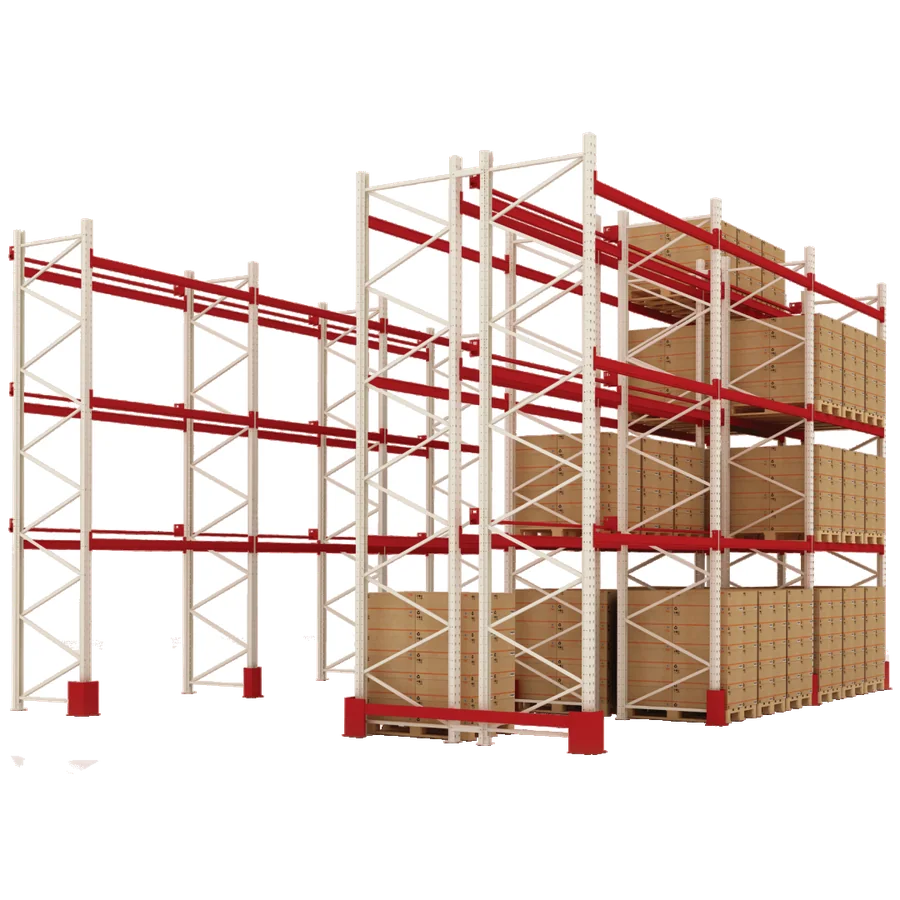
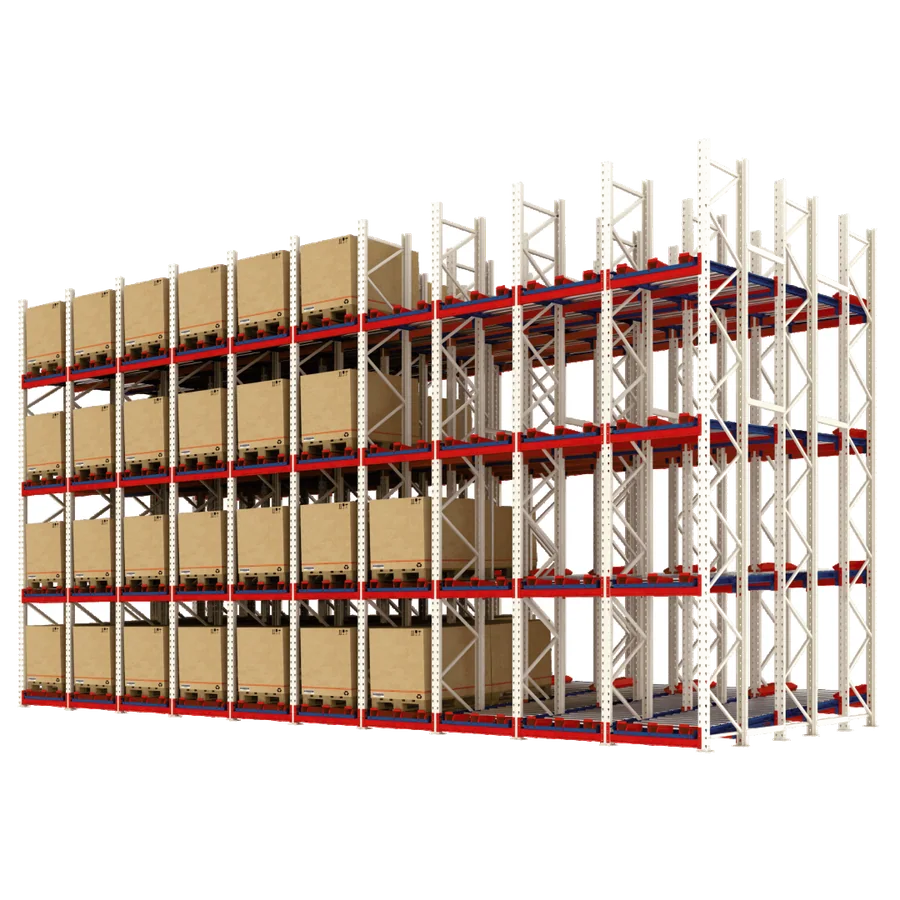
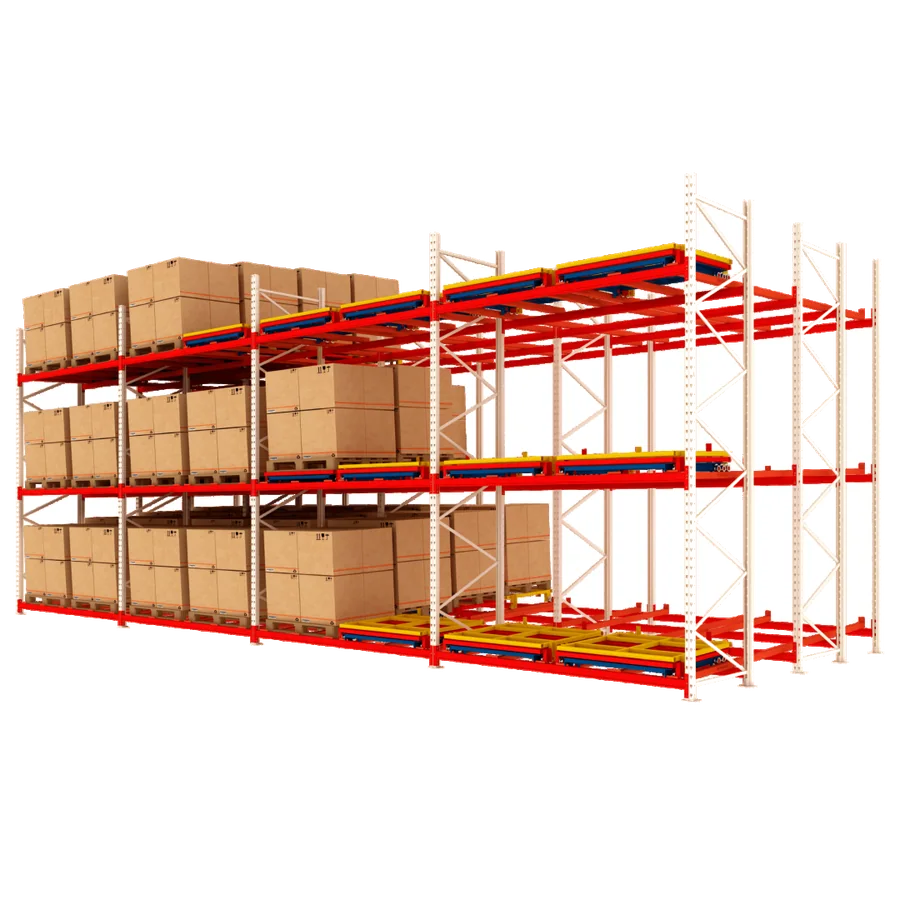
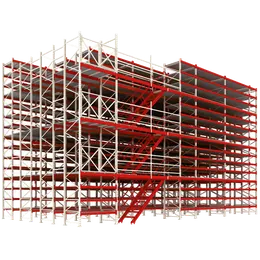
The pallet racking: conventional, drive-in, gravity, push-back, pull-out and shuttle. The choice is a question of how many order lines you carry against how many pallets per line.
Why this
The choice is order lines against palletsFront racking for many order lines, drive-in and gravity for few lines in many pallets. Getting this wrong costs floor space every day for ten years.
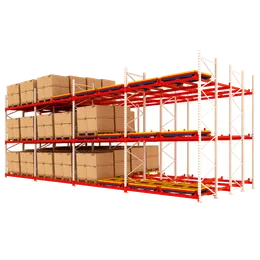
First in, first out — without powerGravity racking rolls the pallets to the picking side under their own weight. No connection, no controls, nothing that can stop.
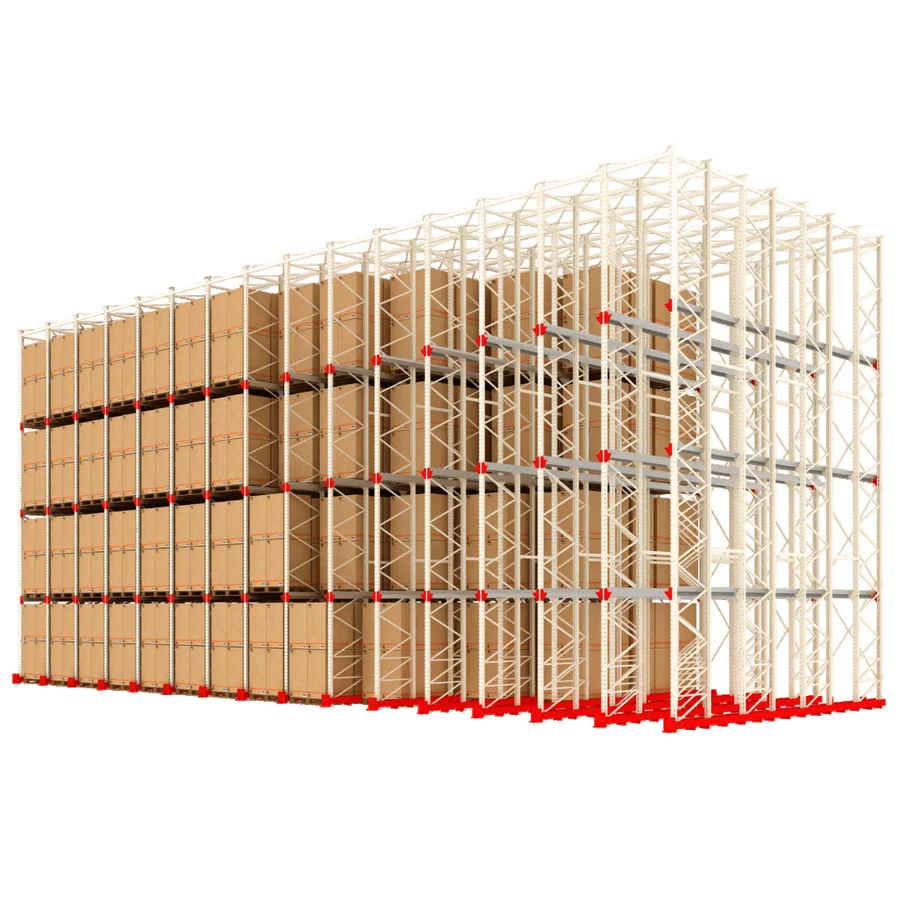
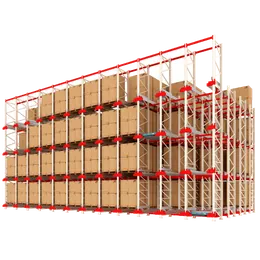
The truck inside the structureDrive-in lets the truck drive into the rack. Storage is dense where the range is narrow and the volume large.
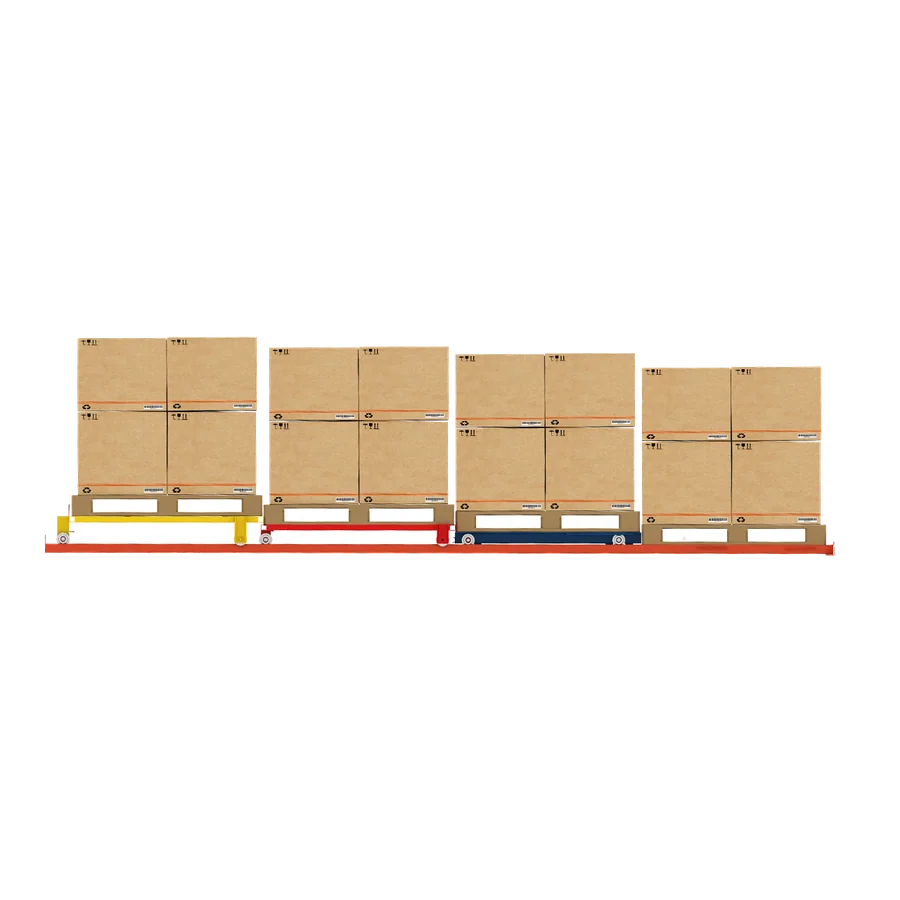
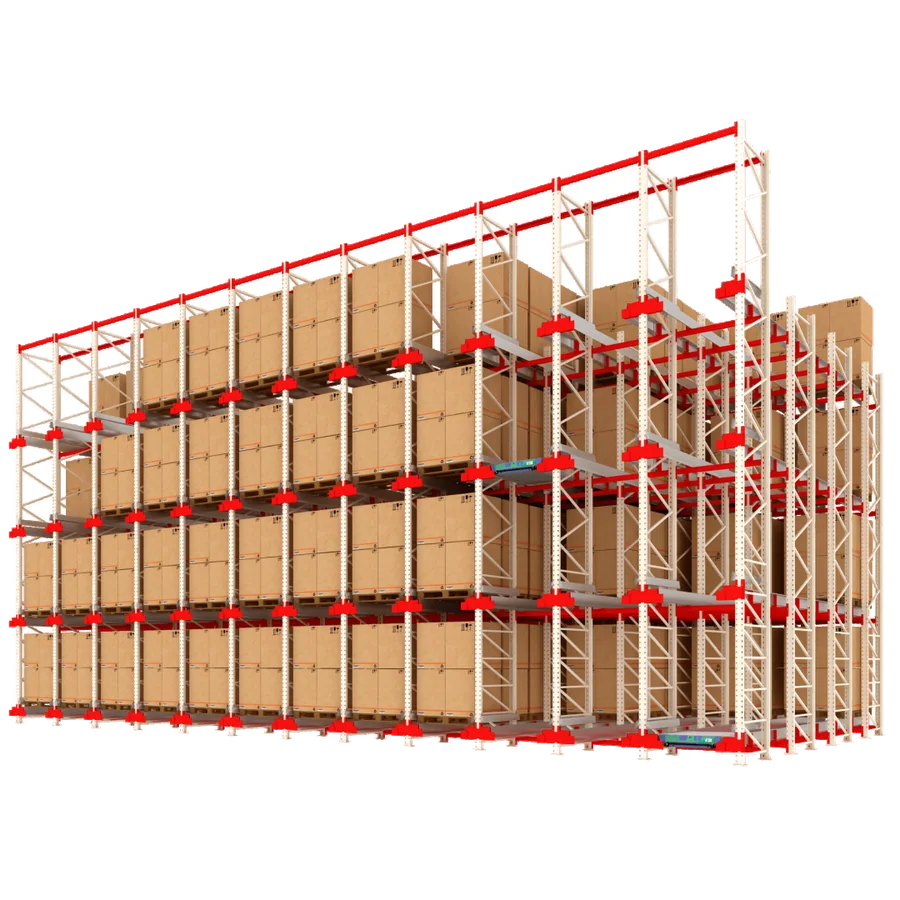
A robot instead of more truck driversThe shuttle moves pallets inside the rack and can be connected to a WMS. Staffing does not follow volume upward.
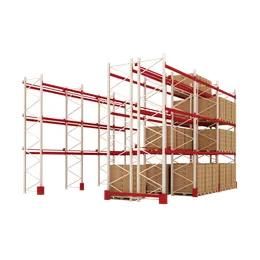
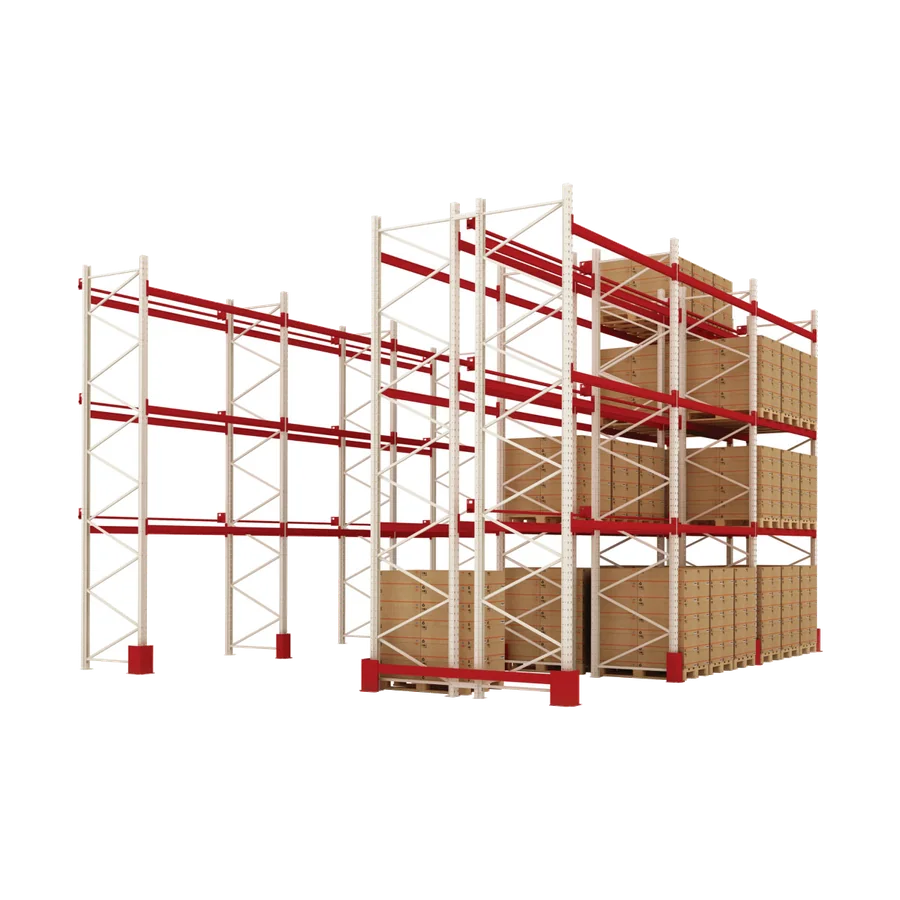
Pallet racking for back-of-store and distribution warehouses. Certified to EN 15512 in heights from 1.1 to 16 metres, with four upright profiles and beams in several cross-sections. Same supplier as the store fixtures, so the warehouse and the sales floor belong together.
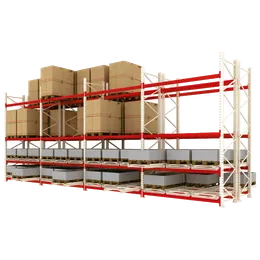
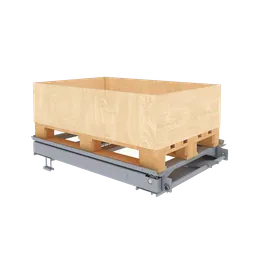
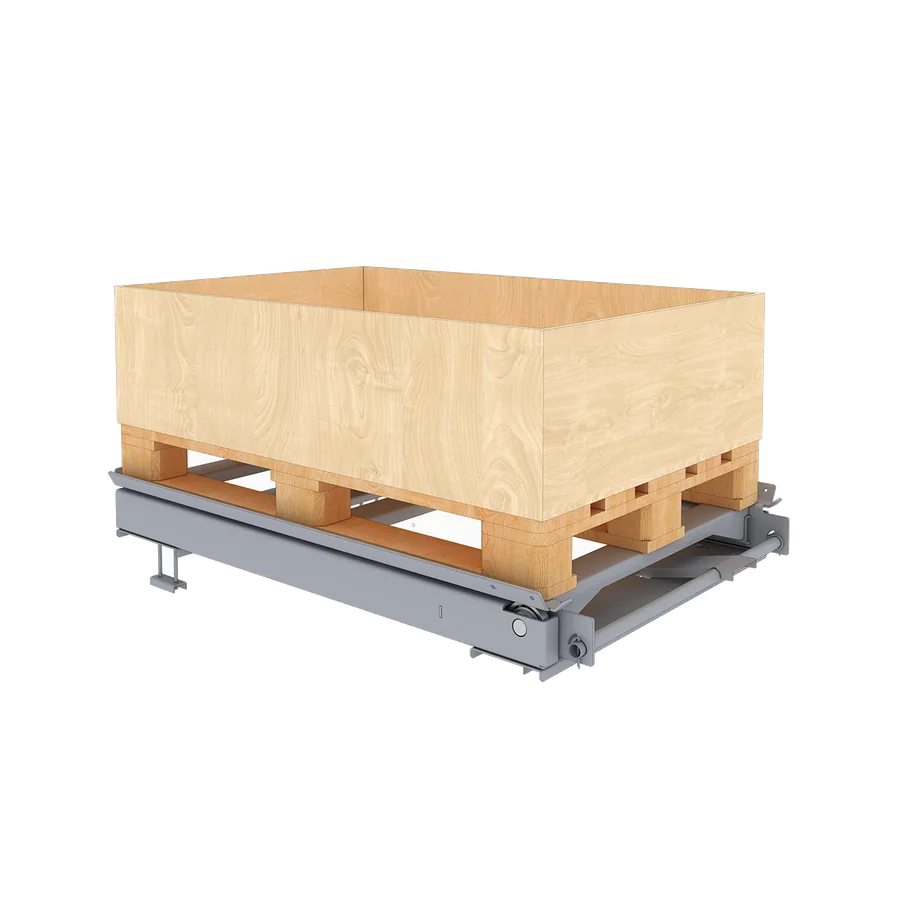
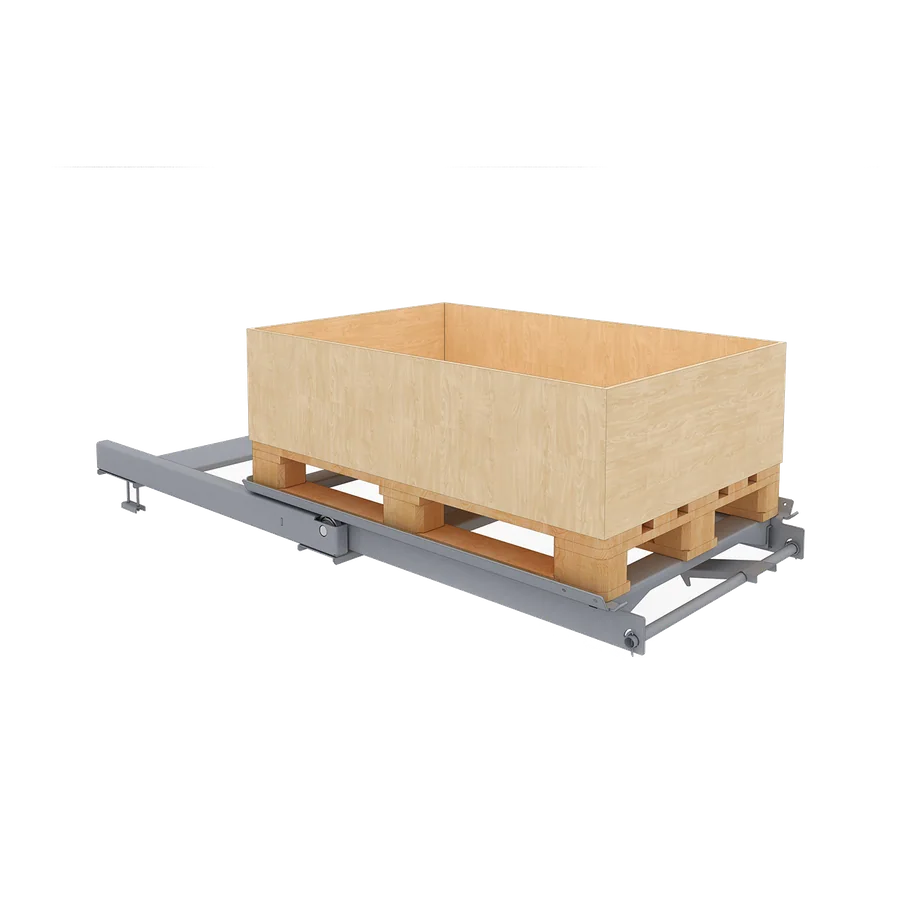
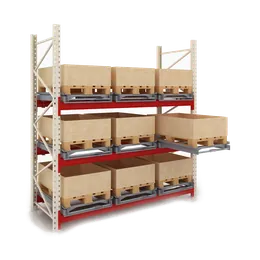
Pull-out shelves for picking. The goods are reached from three sides, picking is quicker and the need for handling equipment falls. Bays can be worked with a hoist and crane.
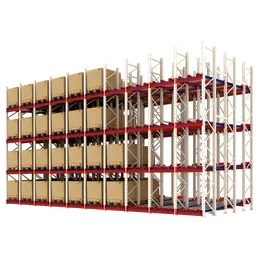
Combines gravity, drive-in and front pallet racking. Different product types can sit on separate levels, and the room height is used as fully as it can be. Suits goods with medium turnover.
Pallets are moved by a robotic shuttle rather than a truck. The shuttle can be connected to a WMS, loading is controlled remotely, and the number of truck drivers falls.